Care and Display: Making Your Wreath Last
8 min read
All Levels
July 2026
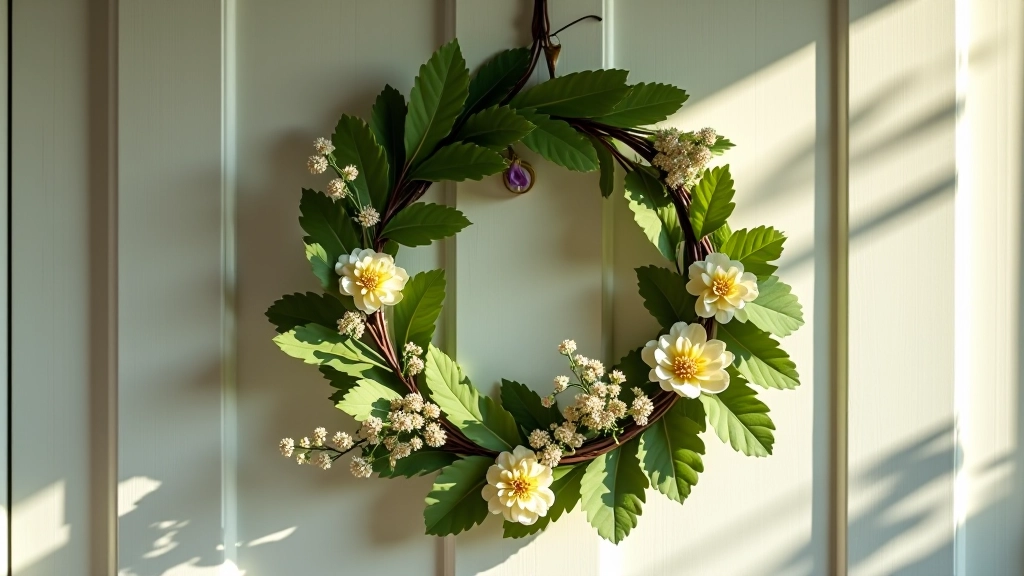
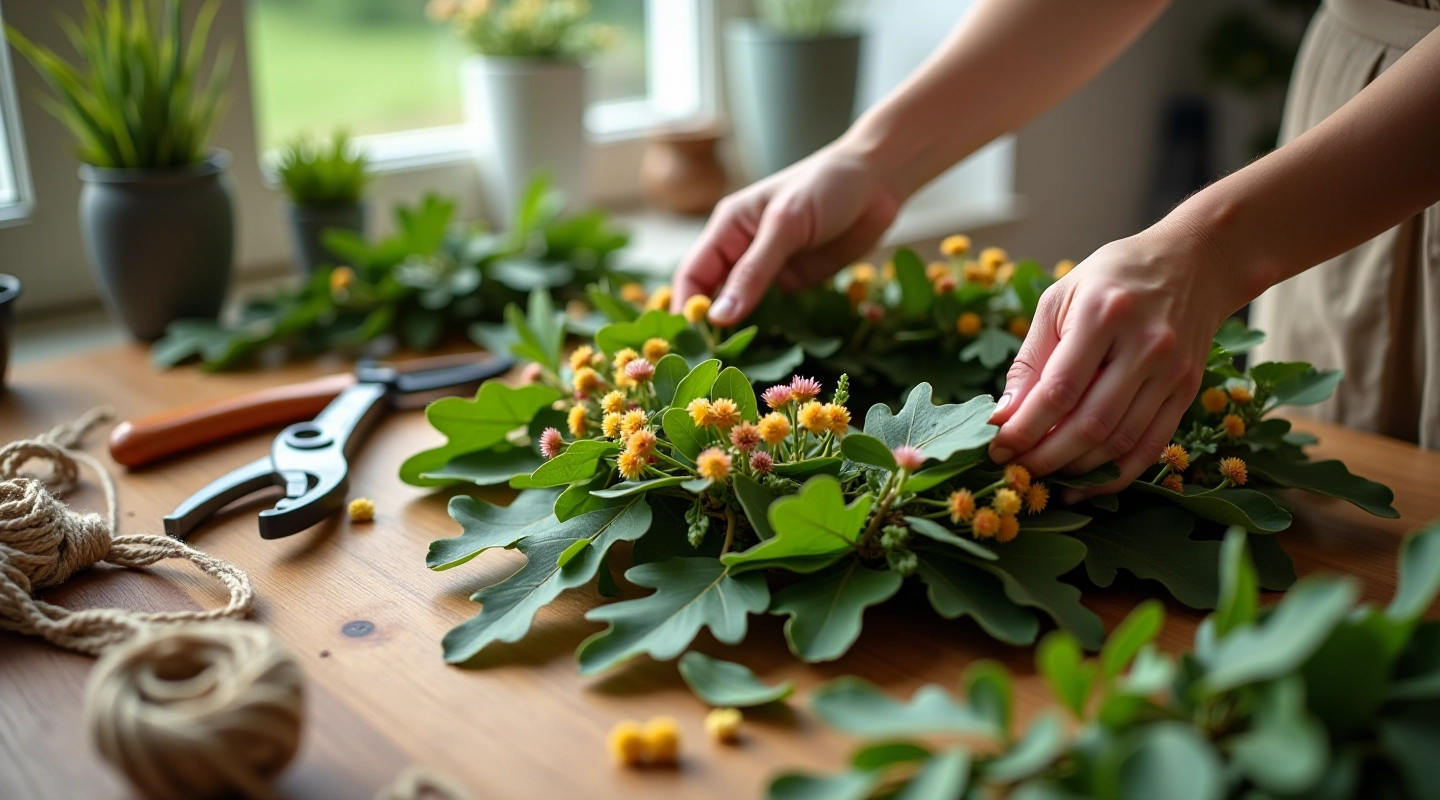
You've invested time in creating something beautiful. Your wreath is done — the oak leaves are secured, the wildflowers are arranged, and it looks amazing. But here's the thing: a wreath isn't a set-it-and-forget-it decoration. With the right care and display techniques, you'll keep it looking fresh for weeks, not days. We're going to walk you through exactly how to do that.
Keeping Your Wreath Fresh
The first week is critical. Your flowers and foliage are at their peak, and they're also at their most delicate. Don't store your wreath in direct sunlight right after finishing it — that's the fastest way to fade colors and dry out the materials.
Find a cool spot. A shaded porch, a covered entryway, or even indoors near a window works well. Temperature matters too. If it's hot outside (and in July, it often is), keep your wreath somewhere with decent air circulation but away from direct heat. We're talking 60-75°F if possible.
Watering is subtle. Don't drench your wreath — that'll rot the base. Instead, lightly mist the flowers and leaves every other day, especially if you're in a dry climate. A spray bottle with water is perfect for this. You'll notice the difference within a few days. The wildflowers stay vibrant, and the oak leaves maintain their natural flexibility instead of becoming brittle.
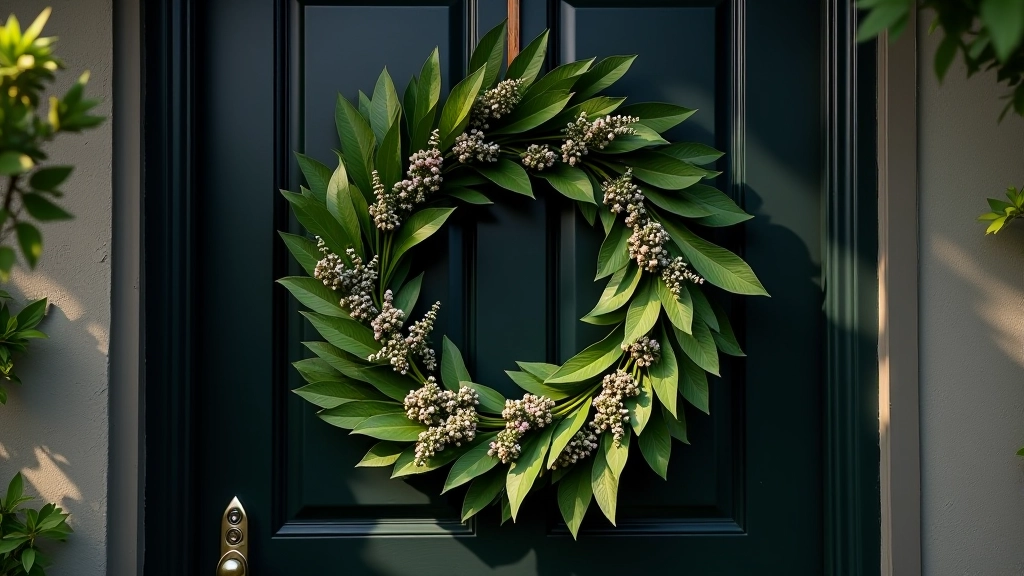
Where to Display Your Wreath
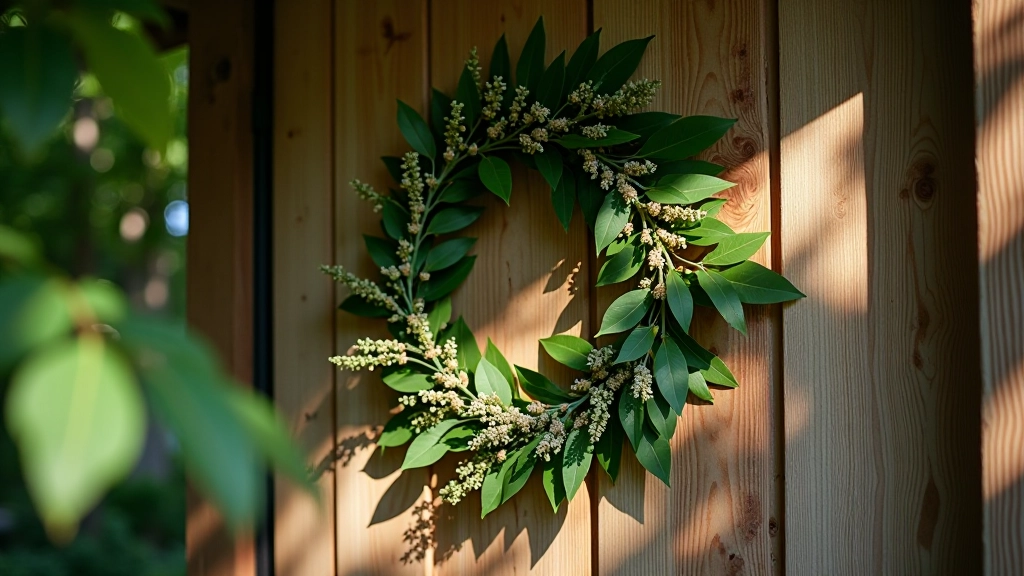
Placement matters more than you'd think. Your front door is the obvious choice, and it works — but consider the light direction. If your door faces west, it's getting afternoon sun that'll bake your wreath. East-facing is better. The morning light is gentler, and the afternoon shadow protects the materials.
Not just doors, either. Wreath hangers work on fences, garden gates, and even interior walls. If you're displaying indoors, hang it away from heating vents and air conditioning units. Temperature fluctuations stress the flowers and accelerate wilting.
Height matters too. Hang your wreath so it's at eye level — roughly 5 to 6 feet from the ground. This positioning shows off the detail work, protects it from accidental bumps, and keeps it away from pets or curious hands.
Extending the Lifespan
A wreath made with fresh materials will naturally fade over time. That's not failure — it's the natural cycle. But you can extend that window significantly with a few targeted techniques.
Seal the Base
If you used a foam or moss base, a light coat of clear spray sealer (the kind used for floral arrangements) reduces water loss and keeps the structure stable. One light coat — don't oversaturate.
Deadhead Spent Flowers
As flowers fade, gently remove them. This redirects the wreath's "energy" and keeps it looking intentional rather than neglected. You'll extend the overall display lifespan by 1-2 weeks.
Shield from Rain
Heavy rain can damage delicate petals and loosen the structure. If a storm's coming, move your wreath to a covered spot or drape it loosely with netting. Don't seal it in plastic — that traps moisture.
Check the Binding
Every few days, gently tug on the binding or wire holding your materials. Loose sections dry out faster. Tighten as needed, but don't crush the stems — just enough to keep everything stable.
Preserving for Later
If you want to keep your wreath beyond its fresh display window, drying is your best option. It's easier than you'd think. Stop watering the wreath and move it to a warm, dry location with low humidity. A garage, shed, or covered porch works perfectly. Within 2-3 weeks, it'll be completely dry.
Once dry, your wreath becomes fragile but incredibly long-lasting. Store it in a flat box with tissue paper between the materials. Keep it in a cool, dark place — moisture is the enemy now. A properly dried wreath can last for months, even into the next year. Some people display their dried wreaths as autumn decoration or even keep them for next summer's Jāņi celebration.
The colors will be muted compared to fresh, but there's something beautiful about that. It's like preserving a moment — the wreath becomes a memory object rather than just decoration.

Troubleshooting Common Issues
Wilting Flowers
Increase misting frequency. If flowers are drooping significantly, move the wreath to a cooler spot temporarily. Sometimes a few hours in shade restores firmness.
Browning Leaf Edges
This usually means low humidity or too much direct sun. Move the wreath to a shadier location and increase misting to daily. Oak leaves are hardy, but they'll stress in extreme conditions.
Loose Materials
Don't panic. Check the binding or wire. If it's just a few stems, you can gently re-secure them with floral tape or thin wire. If the entire structure is compromised, it's probably time to move to drying mode.
Insects
Living wreaths sometimes attract small bugs. A light spray of insecticidal soap (the kind for gardens) is safe and effective. Use sparingly and follow the label directions.
Informational Note: This guide provides general care suggestions based on traditional wreath-keeping practices. Results depend on your climate, materials, and specific conditions. Every wreath is different, and some natural variation in appearance is normal as flowers and foliage age. For specific concerns about your materials or display environment, consider consulting local gardening resources or florists familiar with your region.
Your Wreath Deserves Attention
Creating a midsummer wreath is a craft — and like any craft, the work doesn't end when you hang it. You've put thought and effort into selecting materials, arranging them with intention, and finishing everything properly. A few minutes of care each week keeps that investment visible and beautiful.
Whether your wreath lasts three weeks in fresh glory or becomes a dried decoration for months, it's yours. You made it. Treat it with the attention it deserves, and it'll reward you with beauty that feels personal and earned.

Jāņi Wreath Editorial Team
Editorial Team
Written by the Jāņi Wreath Editorial Team, focused on authentic Midsummer craft techniques and seasonal wildflower guidance.